

Digital Twin, AI, Smart Building – What Is Reality and What Is Hype?
Digitalization, artificial intelligence, BIM, Digital Twins and automation are now discussed at almost every professional conference. In the construction industry and the real estate market, however, it is becoming increasingly clear that technology alone is no longer a competitive advantage. The real question is whether an organization is capable of driving real change.
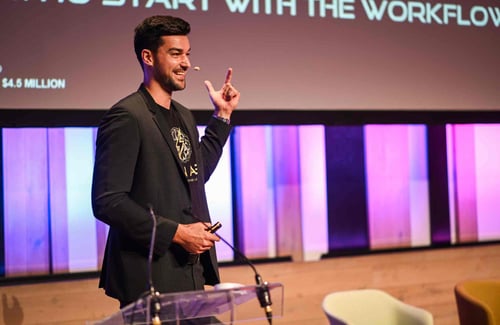
Following our recent proptech event, we received especially interesting feedback from Stjepan Mikulic, one of the speakers at the conference, which went far beyond AI tools or digitalization trends. It was much more about what separates successful innovation from failed pilot projects.
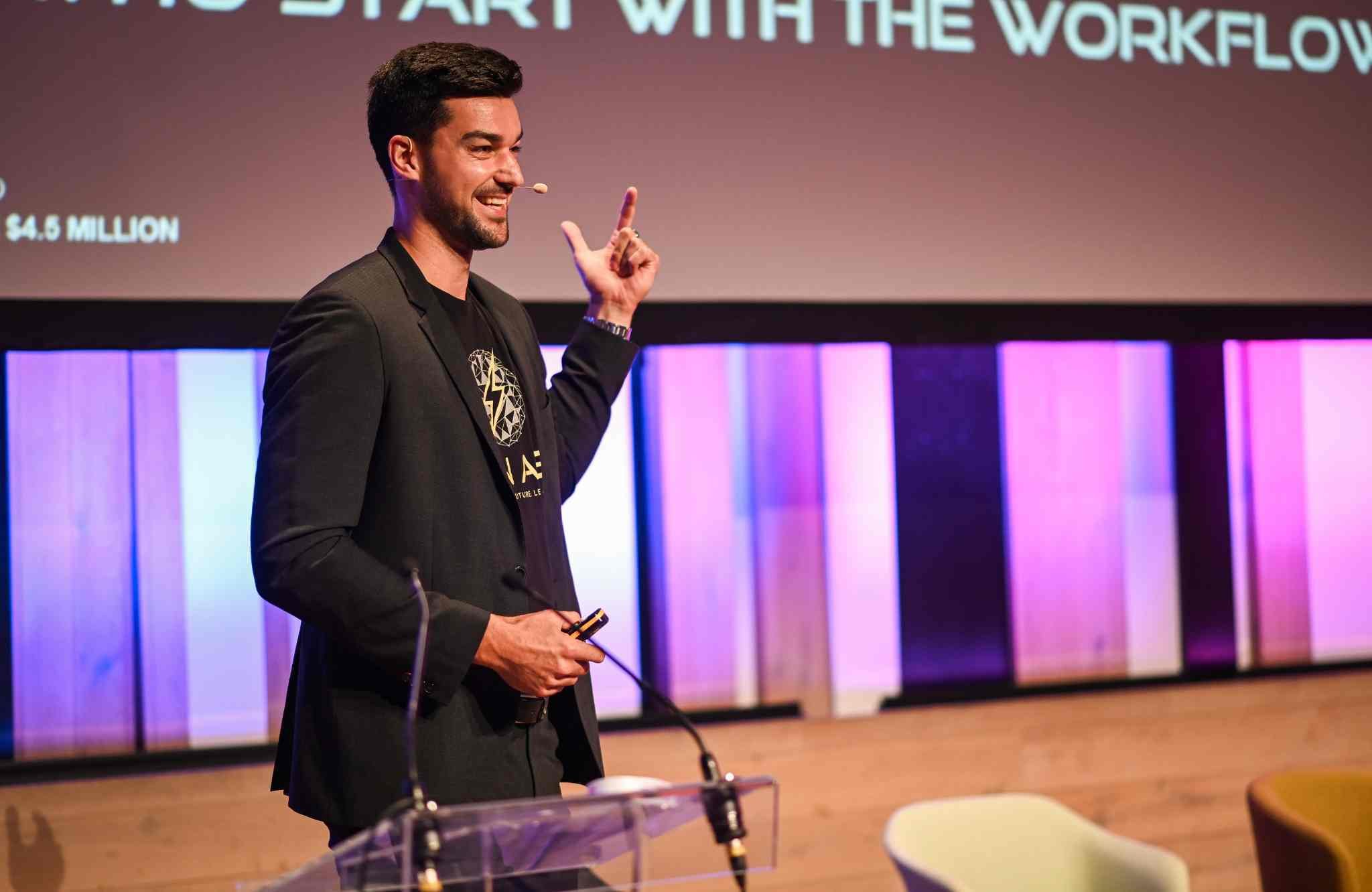
The US-based AEC consultant formulated an important insight after the event: innovation is actually built on four pillars.
-
Passion
-
Courage
-
Critical thinking
-
Human connections
The first three are personal competencies.
Passion is what sets people in motion.
Courage is what it takes to try a new technology, launch a pilot project or ask the first question about AI.
Critical thinking helps distinguish real value from hype in a period when new AI tools appear almost every day.
But the fourth element is of an entirely different nature.
This Is Where Most Companies Lose Momentum
In the real estate market and the AEC sector — Architecture, Engineering, Construction — many companies have already recognized that AI and digitalization are strategic issues. The problem is rarely the lack of technology.
The problem is that change does not reach people.
In many organizations, there is a motivated colleague who clearly sees how a process could become faster, more efficient or more data-driven. The workflow is created, the pilot is launched, the Teams or Slack channel is set up, and then, a few months later, everything goes quiet.
Not because the idea was bad, not because there was no budget, and not because the technology did not work.
But because the human side was left out.
AI Adoption Is Actually a Communication Challenge
AI implementation is not decided in boardroom presentations, but in small conversations.
In the five minutes when someone shows a new workflow to a skeptical project manager. In the lunch break when the BIM coordinator starts to believe in it. In the short meeting when the partner understands that AI is not a threat, but support.
The 2026 AEC surveys point in the same direction: the biggest barrier to AI adoption is no longer cost.
The industry spends billions on technology every year.
The real barriers are:
-
complexity,
-
corporate culture,
-
and human connections.
Technological Transformation Is Actually a Shift in Mindset
This is one of the most important lessons we are seeing today in the real estate market and the construction industry.
Digitalization is not an IT project. It is not software procurement. It is not even a new dashboard.
It is organizational adaptation.
The companies that can truly move forward are those that build internal AI champions, educate their colleagues, and jointly develop new operating models.
The winners of the future will not necessarily be those who are first to purchase the latest technology, but those who are able to involve their people in the transformation as well.
The Next Level of Proptech: People + Technology
For a long time, the proptech and contech sectors were primarily technology-focused. Automation, smart building systems, BIM, IoT, Digital Twins, AI platforms.
Now, however, a new era is beginning.
The most important question of the coming years will no longer be what tools are available, but whether organizations are able to culturally adapt to them.
Because technology alone does not transform a company.
People do.